
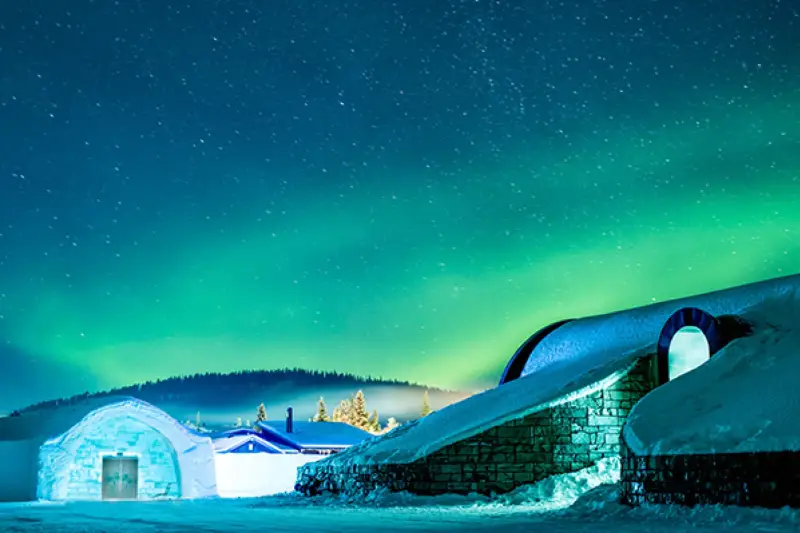
Under the Cosmic Neon: The Ultimate Guide to the 2026 Northern Lights Peak
The sky is putting on its most intense performance in modern history, and you have a front-row seat. Thanks to an unexpectedly aggressive Solar Maximum in Solar Cycle 25, the Aurora Borealis is currently experiencing a historic multi-year surge. This peak window means the celestial light show is brighter, more colorful, and reaching much farther south than it has in over a decade.
🌎 Ready-to-Publish Blog Post
Catch the Cosmic Wave: Why 2026 is Your Ultimate Year for the Northern Lights
Have you ever looked up at the night sky and watched it melt into ribbons of electric green, vibrant violet, and blood-red fire? If witnessing the Northern Lights is on your bucket list, stop waiting. 2026 is officially the ultimate peak year to see the Aurora Borealis.
We are currently navigating the peak and subsequent active "declining phase" of Solar Cycle 25. While that sounds scientific, what it really means for us earthlings is spectacular: the sun is highly active, hurling massive solar flares and coronal mass ejections (CMEs) straight toward our planet. When these solar storms smash into Earth’s magnetic shield, they trigger extreme geomagnetic activity (reaching Kp index levels of up to 9), turning the upper atmosphere into a massive, glowing neon sign.
The 2026 Horizon: What's New?
The current solar maximum is breaking records. In recent months, severe space weather storms—some marked as the most intense solar radiation events in over 20 years—have supercharged our atmosphere. This has resulted in unprecedented spectacles:
- The Crimson Sky: Scientists recently discovered towering red auroras reaching extreme, uncharacteristic altitudes (up to 400 kilometers) during moderate storms, making naked-eye red auroras a dazzling new staple of the season.
- Southern Sightings: The intense energy has pushed the "auroral oval" far beyond its usual Arctic boundaries. Skywatchers have reported vibrant curtains of light as far south as southern England, France, and the mid-United States.
How to Catch the Show
While the sun is doing the heavy lifting, your viewing success still requires strategy:
- Chase the Darkness: Plan your trip between September and March. Summer twilight completely washes out the aurora, no matter how strong the solar storm is.
- Watch the Equinoxes: Due to a geometric alignment known as the Russell-McPherron effect, Earth's magnetic field is twice as vulnerable to solar winds during the late September and late March equinoxes, historically triggering the brightest displays.
- Download an Aurora App: Monitor the Kp index. Anything above a Kp 5 means a geomagnetic storm is underway—grab your camera, escape light pollution, and look north.
This window won't last forever. After 2026–2027, solar activity will begin its steady descent toward a quiet "solar minimum" in the early 2030s. Pack your thermal gear, book that ticket to the Arctic, and watch the universe dance.
🤖 Summary & Key Research Insights
Data gathered from NASA Science, BBC Weather, Space.com, and Atlas Obscura.
⚡ The Science Snapshot
- The Mechanism: Auroras are created when energized electrons and protons from the solar wind ride Earth's magnetic field lines down to the poles. They collide with atmospheric gases, exciting the atoms. As these atoms calm down, they release particles of light called photons.
- The Double Peak: Solar Cycle 25 features a prolonged peak window because the Sun's northern and southern hemispheres are peaking at slightly different times, extending excellent aurora odds through 2026.
- The Altitude Color Code:
- Green (Most Common): Oxygen collisions at lower altitudes (100–300 km).
- Deep Red (Rare/Towering): Oxygen collisions at extreme altitudes (above 300 km).
- Purple/Blue (Uncommon): Nitrogen ionization at very low altitudes (below 100 km).
🗺️ Top Travel Geographies for 2026
While storms push the lights southward, the highly reliable "Auroral Zone" (latitudes 65° to 70°) remains the gold standard for travelers. For pristine viewing, advise your readers to target:
Sweden, explore places in Sweden where you can experience Northern Lights.
Add comment
Comments